
News
Showing 1—10 of 30 posts

DSE Assessment Services for UK Businesses
VergoUK provides DSE assessment services for UK businesses of every size, from a single employee to an entire workforce. Our in-house ergonomic specialists carry out assessments on-site, by video call, or through our online self-assessment platform, SimplyDSE. Read more
How Do I Request an Ergonomic Assessment at Work?
Have you been wondering, “How do I request an ergonomic assessment at work?” If you’re experiencing back pain, neck stiffness, sore wrists, headaches, or general discomfort while working at a desk, you’re not alone. Thousands of UK employees experience discomfort caused by poorly designed workstations or prolonged screen use. Read more
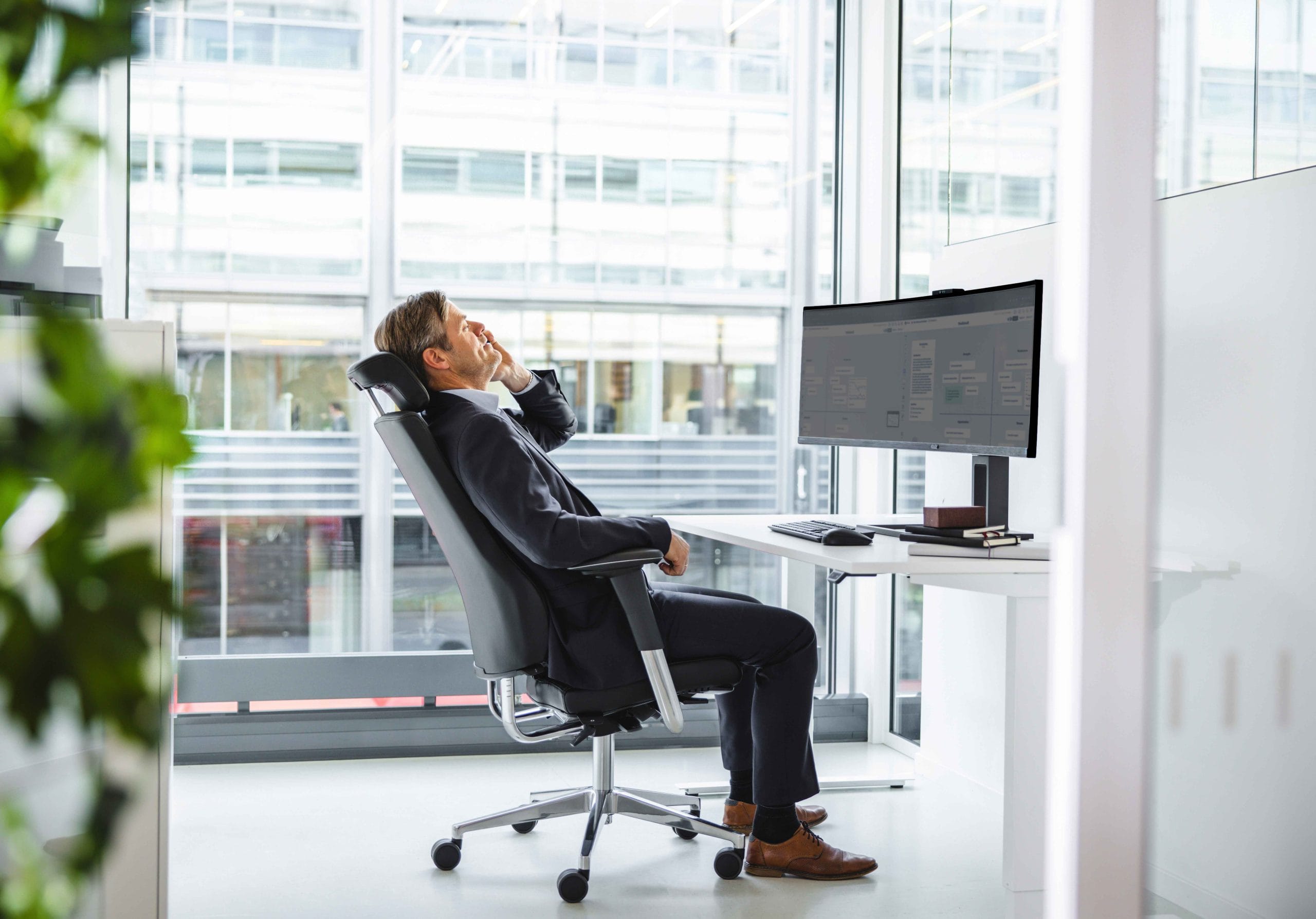
How To Adjust Your Chair To Stop Back Pain At Work
Lower back pain can affect your comfort and your focus at work, and learning how to adjust your chair can make a real difference. Many people sit for long hours without realising that small changes can ease pressure on the spine. You can explore a DSE Assessment on our website if you want personalised guidance. A well adjusted chair supports your natural posture and helps your body stay relaxed through the day. Your workstation plays a major role in how your back feels, and simple adjustments can improve your comfort. This guide explains how to adjust your chair in a clear and practical way so you can work with ease. Read more
How to Know When You Need a Face to Face DSE Assessment
Many people start to feel discomfort at work without realising that their workstation setup is the cause, and this often leads to ongoing strain that affects comfort and productivity. A simple adjustment or a Face to Face DSE Assessment can create a safer and more supportive workspace that prevents these issues from building up over time. Read more

What to Expect from an In-Person DSE Assessment
A Display Screen Equipment assessment checks how someone works at a screen to reduce discomfort and injury risk. Every UK employer must support workers who use screens for long periods under the Health and Safety (Display Screen Equipment) Regulations 1992. In person assessments give a human touch that online forms cannot match. They’re about observing real behaviour, finding subtle risks, and making practical changes that actually stick. Read more
How Often DSE Assessments Should Be Carried Out

Is a DSE Assessment a Legal Requirement in the UK?
A DSE assessment is a legal requirement in the UK for anyone who uses display screen equipment daily for continuous periods of an hour or more. Under current DSE regulations, the Health and Safety Executive makes it clear that employers must carry out workstation assessments for these workers and repeat them whenever a new workstation is set up, a new user starts, the setup changes, or a member of staff reports discomfort. Read more

What Does DSE Stand For?
You have probably seen the term DSE in emails, policies, or onboarding documents. The usual question follows straight away. What does DSE stand for?
DSE stands for display screen equipment. In simple terms, display screen equipment covers computers, laptops, tablets, and any device with a screen that someone uses for work on a daily basis.
Read moreVergoUK Modern Slavery Policy
Workstation Assessment for Hypermobility
Employees with hypermobility often face unique challenges at their desks. They may experience joint pain, fatigue, and difficulty maintaining posture throughout the day. Providing the right support through tailored workstation assessments can make a significant difference. Simple adjustments to desks, chairs, monitors, and accessories help improve comfort, reduce strain, and keep employees productive and engaged.
Read more